Key Takeaways
- Legumes are a family of edible plants that include beans, lentils, peas, and peanuts. They’re widely used in cuisines around the world.
- Legumes provide a mix of nutrients: Many varieties contain fiber, plant-based protein, vitamins, and minerals.
- Different legumes have different culinary uses: Chickpeas, black beans, lentils, and peas vary in texture, flavor, and preparation methods.
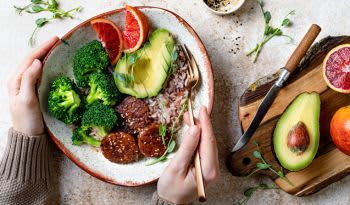
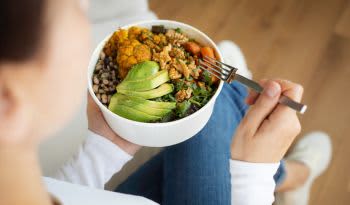
- Legumes are often used in plant-forward eating patterns: They can serve as a protein source in soups, salads, grain bowls, and other meals.
- Preparation methods can affect texture and digestibility: Soaking, sprouting, and different cooking techniques may be used when preparing dried legumes.
Beans are known as the “magical fruit”. Yet they aren’t actually a fruit at all, but a legume. And they aren’t the only type.
So you may be wondering, what are legumes? This powerhouse food group has a lot to offer, so they’re worth knowing about. Here, we’ll dive into what exactly they are, their nutritional information, and their health benefits. We’ll also give you ideas for how to include more legumes in your diet, if you’re not doing so already.
What Are Legumes?
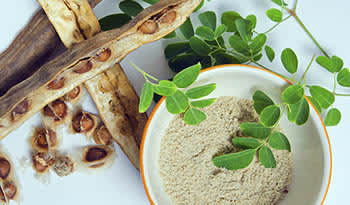
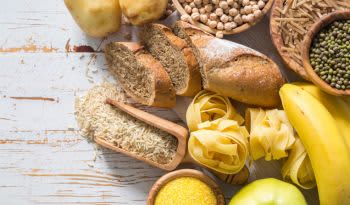
Legumes — which are sometimes called “pulses” — are a class of plants that have edible, nutritious seeds, or “pods.” Beans are the most common type of legume, but there are other forms too. Examples of legumes include:
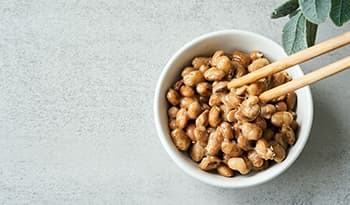
- Beans, such as black, kidney, and garbanzo beans
- Lentils
- Peanuts, which are technically a legume and not a nut, are even more often grouped into the nut category of foods
- Peas, even though they are often classified as vegetables
Legumes are grown all over the world. Many types of legumes — including beans, peas, and lentils — grow above the ground in pods, which are then harvested for consumption. Peanuts, however, grow underground in a hard pod, sometimes called a shell. All legumes are removed from their pod during harvesting. Beans and lentils must be cooked prior to eating, but peanuts and peas can be eaten raw.
What Are the Benefits of Legumes?
Legumes have an abundance of significant health benefits. Here are some of the main ones:
They are full of essential vitamins and minerals.
- Some of the nutrients that legumes provide in good amounts include:
- Beans and lentils specifically are an excellent source of iron, which is needed to help oxygen get to all parts of your body and keep them functioning normally.
- Phosphorus, which is essential for healthy bones and teeth.
- B vitamins like thiamine (B1), vitamin B6, and folate (B9). B vitamins help your body turn food into energy. Folate also plays a role in helping create DNA for your body’s cells.
They are a great source of plant-based protein.
Legumes can provide anywhere from about 4 to 9 grams of protein per serving, depending on which type you’re eating. Just one half cup of most beans, for example, provides about 8 grams of protein. The same serving size of cooked lentils provides 9 grams of protein, and cooked peas provide 4 grams of protein per half cup serving.
The protein in legumes makes them a great choice for vegetarians and vegans to meet their protein needs. The protein they contain also contributes to satiety, or a feeling of fullness and satisfaction after eating.
They are rich in fiber.
Most Americans don’t get enough fiber, but eating legumes can help. A half cup of lentils, for example, provides about 8 grams of fiber. This is nearly 30% of your total daily needs. Fiber supports so many parts of your body, including your gut (aka digestive tract), your heart, and your weight, just to name a few.
They are great for blood-sugar control.
The fiber in legumes is also excellent for helping manage blood sugar levels. This is beneficial regardless of whether or not you have diabetes, as healthy blood sugar levels are a marker of overall good health. Fiber is digested slowly and doesn’t lead to a spike in blood sugar after eating the way that sugar does.
They are naturally low in calories and fat.
With the exception of peanuts, most legumes are nearly fat-free. And the fat in peanuts is largely unsaturated, which is the healthiest kind. Beans and lentils provide just over 100 calories per half-cup serving, and peas provide just 65. This fact, combined with the fiber legumes contain, makes them a great choice for supporting a healthy body weight.
What’s more, legumes are generally easy to find in grocery stores and are highly affordable. A can of cooked beans can cost just one dollar in some cases. Most legumes are also shelf-stable, making them great for packing on the go or for storing for future use.
How to Include More Legumes in Your Diet
Now that you know what legumes are, along with their many health benefits, you may be looking for ideas on how to incorporate them into your regular diet. Here are some things to try.
- Add beans to meals like tacos and burritos
- Try making bean or lentil-based soups like chili and minestrone
- Try snacking on edamame — either fresh, roasted, or dried
- Enjoy hummus — which is made from garbanzo beans — as a dip for things like crackers and vegetables.
- Add any combination of legumes to salads
- Snack on peanuts or use them as a topping for oatmeal or as an added crunch to stir-fries.
- Add peanut butter to sliced apples or bananas, on whole grain bread, and even added to smoothies.
- Enjoy peas as a side dish or any lunch or dinner, or mix them into meals like risotto, casseroles, and pasta.
In Summary
Legumes are a powerful food group that is full of essential nutrients like iron, phosphorus, and B vitamins. They are also rich in fiber and plant-based protein, which support fullness and can help manage your weight. Due to their versatility and affordability, it is easy to incorporate legumes into your diet in a variety of ways.
References:
- National Institutes of Health. (2022). Folate: Fact sheet for health professionals. NIH Office of Dietary Supplements. U.S. Department of Health and Human Services.
- Polak, R., Phillips, E. M., & Campbell, A. (2015). Legumes: Health benefits and culinary approaches to increase intake. Clinical Diabetes, 33(4), 198–205.
- Quagliani, D., & Felt-Gunderson, P. (2016). Closing America’s fiber intake gap: Communication strategies from a food and fiber summit. American Journal of Lifestyle Medicine, 11(1), 80–85.
- School Nutrition Association. (2019). Peanut and tree nut allergies: Understanding the differences. School Nutrition Magazine.
- U.S. Department of Agriculture. (2019). Nutritional analysis of raw pinto beans (FoodData Central ID 170102). Agricultural Research Service.
- U.S. Department of Agriculture. (2019). Nutritional analysis of raw kidney beans (FoodData Central ID 172421). Agricultural Research Service.
- U.S. Department of Agriculture. (2019). Nutritional analysis of raw black beans (FoodData Central ID 173735). Agricultural Research Service.
DISCLAIMER:
These statements have not been approved by the Food and Drug Administration. These products are not intended to diagnose, treat, cure, or prevent disease.






















































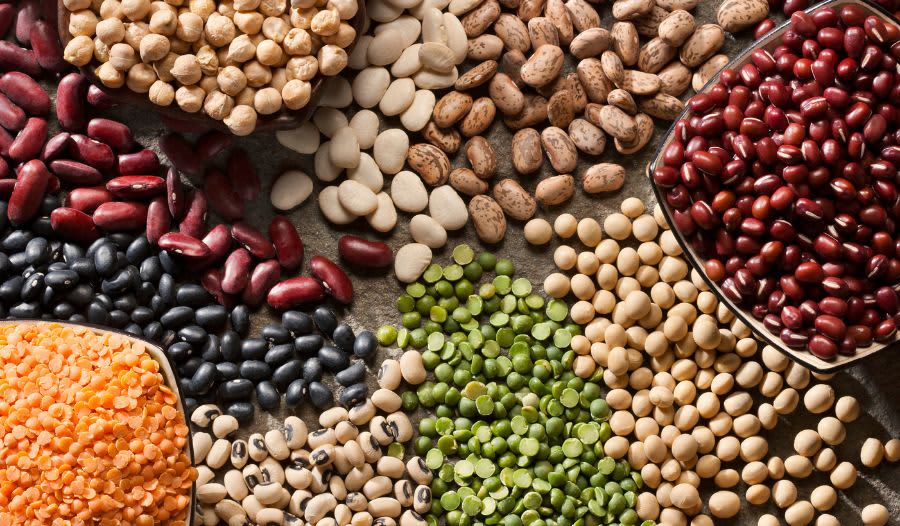
 Table of Contents